
Meteorites
Meteorites and their magic
The universe has always fascinated mankind – endless darkness and dazzling light, absolute vacuum and immeasurable mass of stars. Has it captivated you too? Would you like to find out how a piece of this infinity can end up in your hand? Read on to learn more about meteorites and their stories.
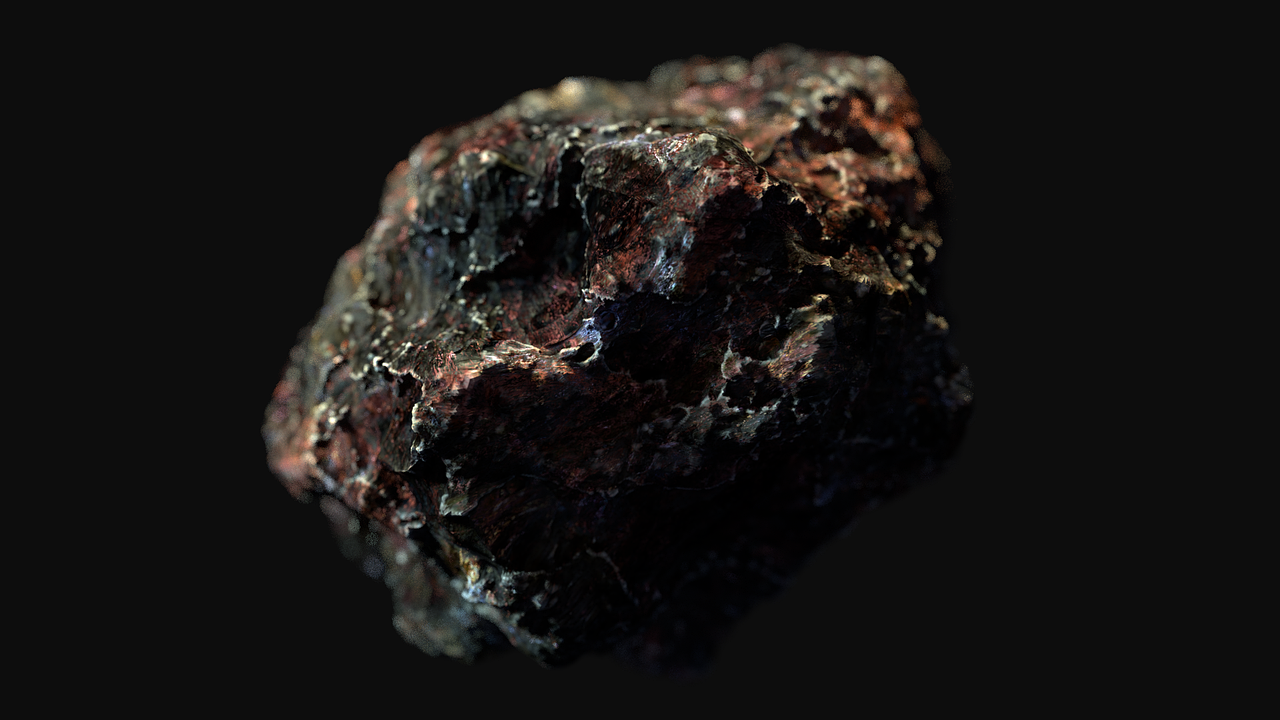
Do you really know what you can wear?
Did you know that most iron meteorites probably originated deep inside ancient asteroids—even before the Earth was formed? As their molten cores slowly cooled (at a rate of hundredths of a degree over thousands of years), metal crystals began to grow inside them. It took billions of years of interplanetary flight to bring these fragments to us.
So when you look at the meteorite dial, you will be looking at material older than our planet. Fascinating, isn't it?
What lies beneath the watch glass
Imagine dropping a drop of acid onto a mirror-smooth meteorite cut. Surprisingly, it will not destroy it—on the contrary, it will reveal the signature of the universe, known as the Widmanstätten pattern. These are beautiful patterns that cannot be found on Earth.
- How is a pattern created? Two types of iron-nickel crystals intermingle because they cooled incredibly slowly during formation.
- Why can't you find it on Earth? Naše horniny tuhnou příliš rychle, struktura nestihne „dorůst“.
- Why Widmanstätten pattern? Friedrich von Widmanstätten was a Viennese mineralogist and curator of the imperial meteorite collection. As early as 1808, he described the characteristic lattice of iron-nickel lamellae that now bears his name. His discovery became key evidence of the authenticity of iron meteorites and their cosmic origin.
„The beautiful drawings on the dials of our luxury watches are the result of millions of years in space.“
„No two dials are the same. Each one is unique in its design.“
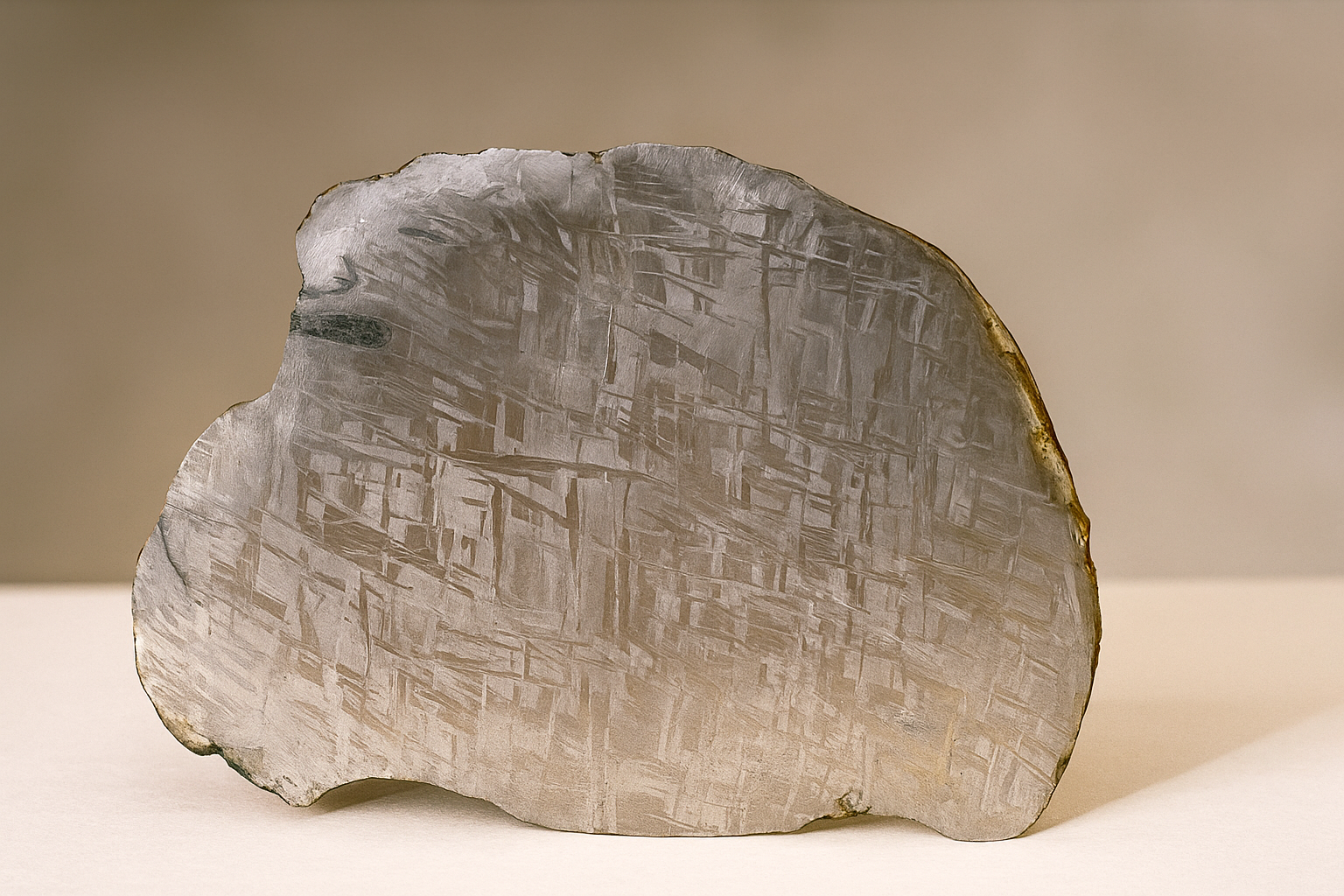
Meet Muonionalusta
Difficult to pronounce? We understand. But it's a name that deserves to be said aloud at least once. Muonionalusta – a name derived from the Muonio River and the Nordic word alusta ("surroundings, territory") – translates as something like "the land around Muonio."
Co se za tím jménem skrývá? Meteorit starý přes čtyři a půl miliardy let, pamětník zrodu naší sluneční soustavy, který dopadl na území dnešního švédského Laponska zhruba před milionem let. V zemi dřímal tak dlouho, až jej pohltila severská tundra. Když jej lidé objevili, odhalil křehce stříbřitý Widmanstättenův vzor, jaký nevytvoří žádná pozemská slévárna. Díky své velikosti patří Muonionalusta k nejpozoruhodnějším železným meteoritům, ale opravdovou vzácnost z něj dělá právě ta jedinečná kresba – kosmický otisk, který se na Zemi už nikdy nezopakuje.
"A piece of this gem can be yours."
Meteorites in legends. Which story appeals to you?
Legends and stories about stars, space, and the sky are probably as old as humans themselves. In modern times, we may not look up at the night sky as much and let our imaginations run wild. But for our ancestors, the sky was super important. Why else would they name constellations and think about what we now call space?
Meteorites—as part of, and in fact the only "physical piece of the sky"—have therefore become the inspiration for countless stories and myths around the world. These stories are not historical facts, but rather examples of how people in different cultures perceived the sky and sought answers in it.
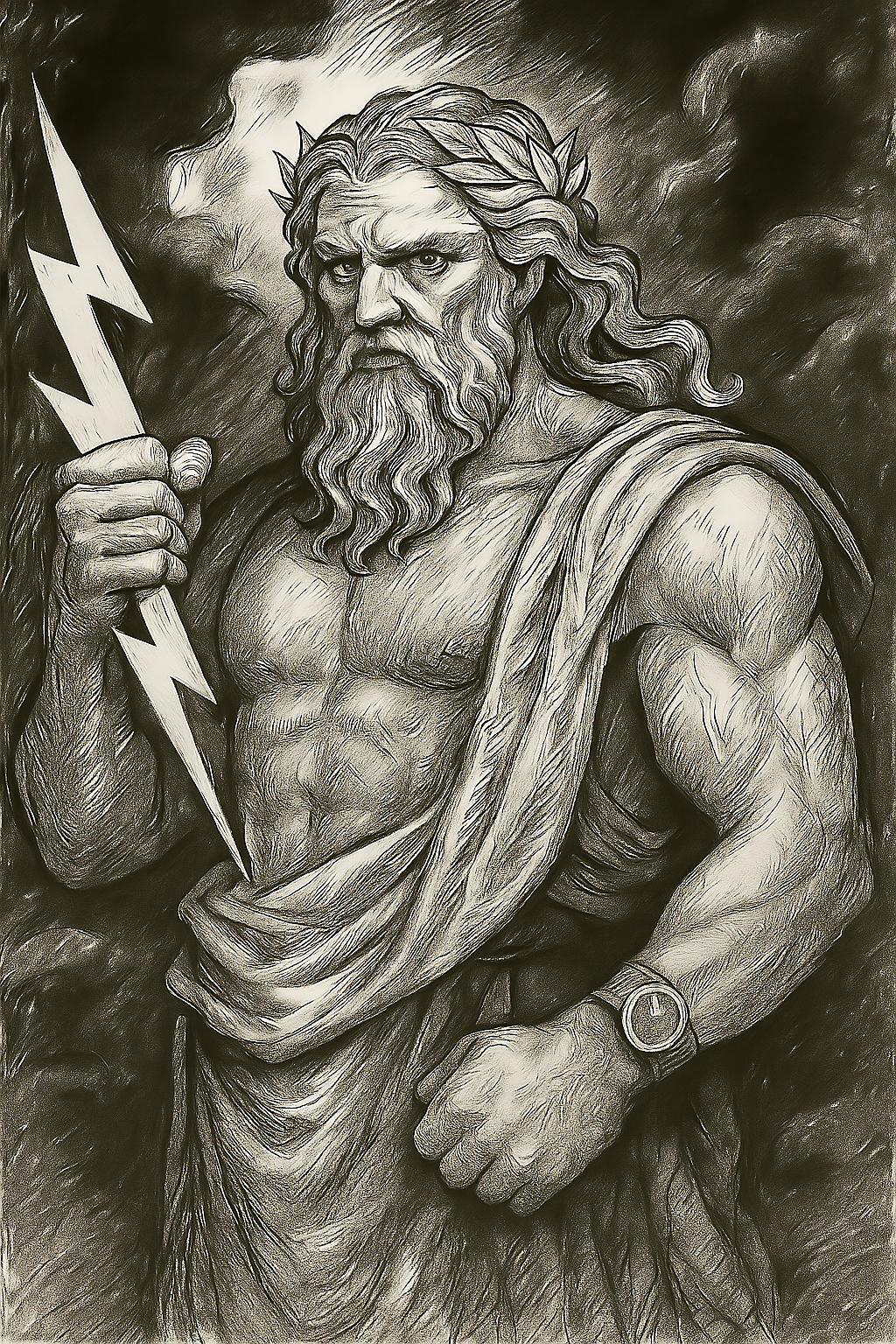
Zeus – god of thunder and lightning
In ancient texts, the term diopetes was used for stones that "fell from the sky" – literally "from Zeus – fallen." Meteorites were worshipped in temples as a visible touch of divine power. Ancient authors mention that these stones were considered a gift from the supreme god and brought protection.
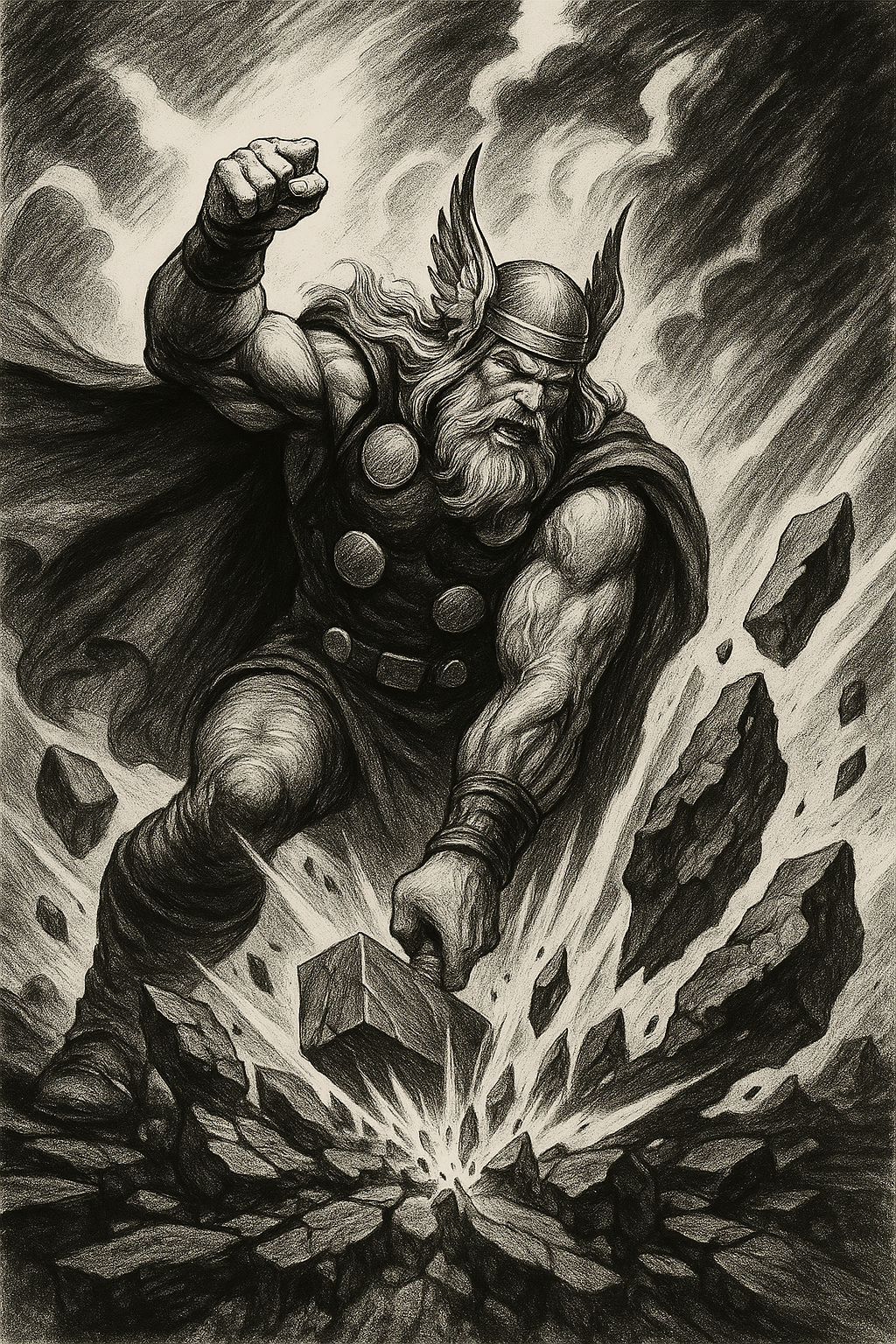
Would you like Thor's hammer?
In Scandinavia, the folk name thunderstones has survived to this day. The Vikings and later rural inhabitants probably believed that roughly broken pieces of quartzite or meteorites were fragments of Thor's hammer Mjölnir, broken off during the god of thunder's battle with the forces of chaos. Such stones were placed in graves or under the threshold of buildings to protect the house from lightning and its inhabitants from evil spirits.
Heavenly Iron from the East
In Tibetan and Chinese tradition, meteorite metal is called tian tie – "heavenly iron." Since ancient times, small amulets have been cast from this metal, which, according to legend, gain power during their fall from the clouds and therefore serve as talismans against misfortune. The legend of the "heavenly blacksmith" tells that a master craftsman can forge a blade from tian tie that never rusts and cuts stone as easily as paper – an idea that has inspired modern swordsmiths.